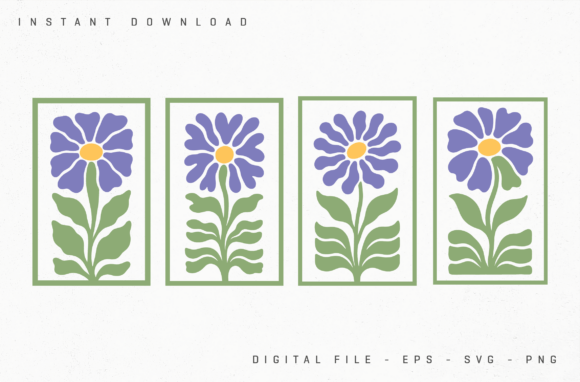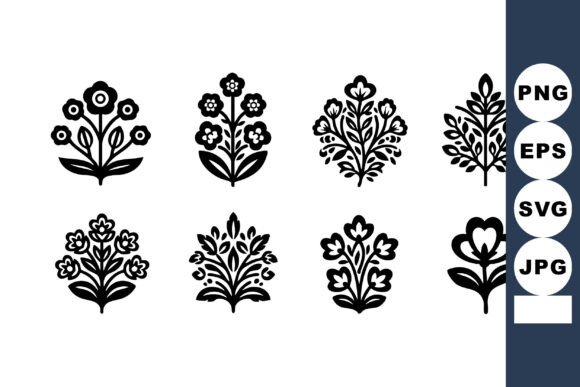
Decorative Lotus Drawing: A Creative Flower for Visual Storytelling
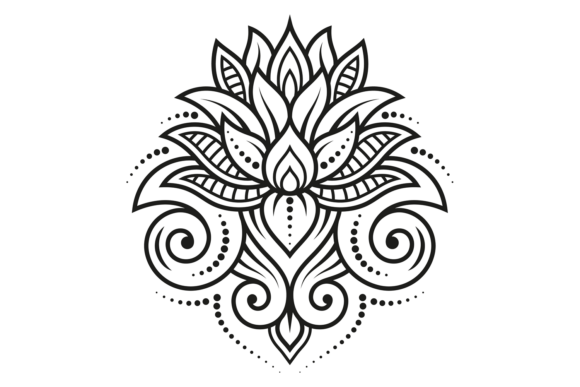
When you’re building a brand, every visual element carries weight. The lotus flower, a timeless symbol of purity, growth, and resilience, holds a particular power in design. A Decorative Lotus Drawing isn’t just a pretty picture; it’s a foundational asset that can define a brand’s entire personality. This specific creative flower illustration, available as a black logo isolated on a white background in EPS, JPG, SVG, and transparent PNG formats, is built for versatility. It’s a design asset that works as hard as you do, whether you’re a solo entrepreneur crafting a personal brand or a marketing team launching a new product line.
Visual Character and Style: More Than Just a Flower
Let’s talk about what makes this particular lotus drawing stand out. It’s described as “decorative” and “creative,” which points to a style that balances artistic flair with clean execution. This isn’t a photorealistic botanical sketch. Instead, it’s likely a stylized interpretation—think elegant, flowing lines that capture the essence of the lotus without getting bogged down in minute detail. The personality here is one of serene sophistication. It feels modern yet organic, structured yet graceful. This dual nature is its greatest strength. It can feel luxurious on high-end packaging, approachable on wellness blogs, and professional in corporate identities.
The “black logo isolated on white background” specification is a practical goldmine. It means the core design is high-contrast and inherently versatile. You can drop it onto any color, texture, or photograph without worrying about clashing backgrounds. The file formats are the workhorses of modern design: SVG for infinite scalability on websites and apps, EPS for professional print work, transparent PNG for easy layering in digital projects, and JPG for quick previews and presentations. This isn’t just a drawing; it’s a complete, ready-to-deploy toolkit for creating a cohesive brand identity.
Where This Creative Flower Blooms: Practical Applications
The true test of any design asset is where you can actually use it. A Decorative Lotus Drawing like this is surprisingly adaptable across a wide spectrum of projects. Its strength lies in its ability to communicate a specific set of values—peace, renewal, mindfulness, elegance—through a single, recognizable symbol.
For logo design, it’s a natural starting point. It can serve as the primary mark for businesses in wellness, yoga, beauty, skincare, organic products, or any service centered on growth and transformation. Paired with a clean sans serif font for the company name, it creates a balanced, professional look. For a more luxurious feel, pairing it with a refined serif font can elevate the brand perception.
In editorial design and publishing, this lotus can act as a recurring motif. Use it as a chapter opener in a book about mindfulness, a section divider in a wellness magazine, or a decorative element on a blog header. Its decorative nature adds visual interest without overwhelming the text. For packaging design, it’s perfect for creating a sense of natural purity. Imagine it on a box of herbal tea, a bottle of essential oil, or a label for artisan soap. It immediately communicates the product’s ethos.
Digital applications are endless. Use it in social media graphics to create a consistent visual thread for your Instagram feed or Pinterest boards. It works beautifully as a watermark on photography, a profile picture, or an icon in an infographic. For web design, an SVG version can be integrated into your site’s header, footer, or as a subtle background pattern. The key is using the lotus to reinforce your brand’s visual language consistently across every touchpoint, from your website to your business cards.
Integrating the Lotus into Your Design Workflow
So, you’ve decided this creative font—or rather, this creative illustration—fits your project’s vibe. How do you move forward? First, consider the font pairing if you’re using it alongside typography. The lotus has a distinct organic shape. To create a strong visual hierarchy, pair it with typefaces that complement rather than compete. A geometric sans serif font like Montserrat or Lato offers a clean, modern counterpoint. A classic serif like Garamond or Playfair Display adds timeless elegance. If you want to inject a more personal, human touch, a subtle script font or handwritten font can work, but use it sparingly for headlines or accents to maintain readability.
Next, think about scale and context. Will this be a small icon next to your brand name, or a large, standalone graphic on a poster? Test it at multiple sizes to ensure the details remain clear and impactful. The beauty of the provided vector formats is that you can adjust the line weight or simplify the details if needed for very small applications. Always view your design in the context where your audience will see it. Mock it up on a website, a product package, or a social media post to evaluate its real-world impact.
Finally, understand the licensing. Since this is provided as a commercial-ready asset (implied by the formats and context), it’s likely cleared for broad use. However, it’s always your responsibility to double-check the license agreement. Know whether it covers digital products, physical merchandise, and large-scale commercial campaigns. A premium font or asset is an investment, and respecting the license protects both you and the original creator.
In the crowded landscape of digital content, a well-chosen visual element like a Decorative Lotus Drawing does more than decorate. It communicates, builds recognition, and creates an emotional connection. It’s a tool for telling your story with clarity and beauty. By understanding its character, exploring its applications, and integrating it thoughtfully into your projects, you transform a simple creative flower into a cornerstone of your visual strategy.