Retro Ornate Line Corners: Adding Vintage Elegance to Your Design Toolkit
There’s a certain charm in vintage design that feels both nostalgic and timeless. If you’ve ever browsed old book covers, antique posters, or classic stationery, you’ve likely noticed the delicate, intricate frames and decorative flourishes that give those pieces their distinctive character. Today, designers and creators are rediscovering that appeal through assets like the Retro Ornate Line Corner decorative element—a versatile graphic resource that brings a touch of old-world sophistication to modern projects.
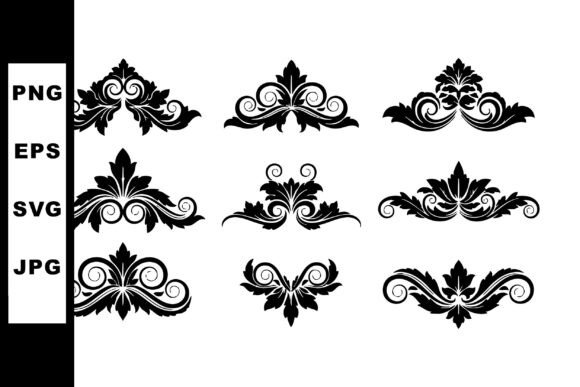
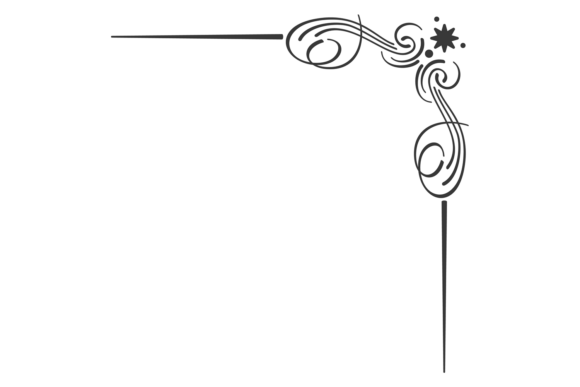
This particular design asset is essentially a set of ornamental corner pieces, often featuring flowing lines, symmetrical curves, and intricate detailing reminiscent of Victorian, Art Nouveau, or even Baroque design periods. Isolated on a clean white background, these elements are typically available in multiple formats—EPS for vector editing, JPG for quick use, SVG for web scalability, and transparent PNG for seamless layering. Their strength lies in their ability to frame content, accentuate layouts, and inject personality without overwhelming the primary message.
What Makes These Decorative Corners So Appealing?
The visual personality of the Retro Ornate Line Corner is defined by its balance between complexity and elegance. Unlike heavy, overly ornate decorations that can feel cluttered, these elements tend to feature refined line work and symmetrical patterns. They often incorporate motifs like acanthus leaves, scrollwork, filigree, or subtle floral accents. The overall effect is one of curated luxury—a nod to craftsmanship and attention to detail that feels rare in today’s minimalist design landscape.
This style works particularly well when you want to evoke a sense of heritage, tradition, or premium quality. Think about how a law firm might use such elements on a letterhead, or how a wedding stationery designer might frame an invitation. The Retro Ornate Line Corner decorative element isn’t just a graphic—it’s a storytelling tool. It suggests care, permanence, and a connection to artistic traditions that span centuries.
Practical Applications Across Creative Fields
Where do these ornamental corners actually fit into real-world projects? The answer is broader than you might expect. In editorial design, they can elevate magazine covers, chapter headings, or pull quotes in both print and digital publications. For packaging design, especially for luxury goods, artisan foods, or boutique cosmetics, these corners add a tactile, vintage feel that communicates quality and thoughtfulness.
In the realm of brand identity, the Retro Ornate Line Corner can be adapted for logos, business cards, or letterheads—particularly for brands in hospitality, jewelry, bespoke tailoring, or high-end services. It helps establish a visual language that feels established and trustworthy. For social media graphics and web design, using these elements as subtle borders or accent pieces can make content stand out in a crowded feed, especially when paired with clean sans serif fonts or elegant serif typefaces.
Crafters and hobbyists also find tremendous value here. Whether you’re creating custom invitations, scrapbooking, designing printable wall art, or making handmade tags, these decorative elements save hours of drawing time while delivering professional results. The availability in transparent PNG format means you can easily overlay them onto any background without worrying about unsightly edges or color clashes.
Integrating Ornate Elements with Modern Typography
One of the most common questions designers face is how to blend vintage decorative elements with contemporary typography. The key is contrast and balance. Pairing the Retro Ornate Line Corner with a clean, geometric sans serif font creates a striking visual tension that feels both modern and rooted in tradition. Alternatively, combining it with a sophisticated serif font reinforces a classic, authoritative aesthetic—ideal for formal invitations, certificates, or luxury branding.
When working with script fonts or handwritten fonts, use the ornate corners sparingly to avoid visual competition. Let the typography breathe and allow the decorative frame to support rather than dominate. This approach maintains readability while still achieving that layered, artisanal look many clients and audiences appreciate.
Choosing and Using These Design Assets Wisely
Before incorporating any premium font or decorative asset into a project, consider the context and audience. Ask yourself: Does this style align with the brand’s personality? Will it resonate with the target demographic? For instance, a tech startup might find ornate corners too traditional, while a heritage bakery or a vintage-inspired fashion label would embrace them wholeheartedly.
Testing is crucial. Always preview how the Retro Ornate Line Corner looks at different scales and in various color combinations. Sometimes, reducing opacity or changing the color to a muted tone can make the element feel more integrated and less like an afterthought. Also, check the licensing terms—especially if you’re using these assets for commercial projects. Most reputable sources offer clear commercial font and graphic licenses, but it’s worth double-checking to avoid legal headaches down the line.
Finally, think about consistency. If you’re building a brand identity or a series of marketing materials, use the ornate corners in a consistent manner—perhaps always in the same position, color, or scale. This creates a cohesive visual system that strengthens brand recognition and professionalism.
Final Thoughts on Timeless Design Elements
In a design world often dominated by flat graphics and minimalist trends, assets like the Retro Ornate Line Corner offer a refreshing alternative. They remind us that design can be both functional and beautiful, both modern and nostalgic. Whether you’re a seasoned designer looking to expand your toolkit, a small business owner crafting your brand’s visual identity, or a hobbyist exploring new creative possibilities, these decorative elements provide a simple yet powerful way to add depth and character to your work.
The best part? You don’t need to be a typography expert to use them effectively. Start with a single project—a thank-you card, a social media post, or a product label—and experiment. See how the ornate corners interact with your chosen fonts and layouts. Over time, you’ll develop an intuition for when and how to use these timeless design assets to create something truly memorable.