Timeless Appeal: Styling with Vintage Wooden Clock
More Than Just a Typeface
Finding the right creative font often feels like searching for a needle in a haystack. You need something that captures a specific mood without looking like clip art. That is exactly where the Vintage Wooden Clock. Decorative Interio typeface shines. It is not just a collection of letters; it is a distinct piece of design assets that brings the warmth and texture of analog time into digital projects. When you look at the glyphs, you immediately see the influence of classic clock faces and hand-carved woodworking. It carries a personality that feels established and trustworthy, yet it remains playful enough for creative branding.
This premium font draws its visual strength from the physical world. It mimics the look of painted letters on a rustic sign or the embossed numerals found on a vintage mantle clock. The characters often feature subtle irregularities that suggest handcrafting rather than machine precision. This human element is crucial for projects that need to connect with an audience on an emotional level. It creates a feeling of nostalgia without feeling dated or tired.
Defining the Visual Style
Understanding the visual characteristics of Vintage Wooden Clock. Decorative Interio helps you use it effectively. It generally falls into the category of a display font, meaning it is designed for impact at larger sizes. You would not use this for your body copy in a novel. However, for headers, logos, and signage, it is a powerhouse. The style blends elements of a sturdy serif font with decorative flair. You might notice wood-grain textures within the letterforms or shadow effects that give a three-dimensional appearance.
The personality of this typeface is undeniably warm. It speaks of heritage, quality craftsmanship, and slow living. In a world dominated by sleek, cold sans-serifs, using a textured vintage wooden clock style can make a brand feel more accessible. It works exceptionally well for brand identity projects where the goal is to establish trust and a sense of history. Think about a local coffee roaster, a furniture maker, or a heritage clothing line. This font tells their story before they even say a word.
Practical Applications in Modern Design
So, where does this style fit into your current workflow? The versatility of Vintage Wooden Clock. Decorative Interio might surprise you. It is not limited to old-timey sepia projects.
Here are a few specific areas where this decorative interior element excels:
- Packaging Design: Imagine a craft beer label or artisanal jam jar. This font provides the perfect anchor for the product name, suggesting natural ingredients and traditional recipes.
- Logo Design: For businesses in the hospitality or trade sectors, this typeface offers instant character. It helps a logo stand out in a crowded market by adding a tangible texture.
- Social Media Graphics: On platforms like Instagram, visual hierarchy is key. A bold vintage wooden clock style header grabs attention immediately in a fast-scrolling feed.
- Editorial Design: Lifestyle magazines or blog headers often benefit from this aesthetic. It sets a mood for articles about home decor, history, or DIY projects.
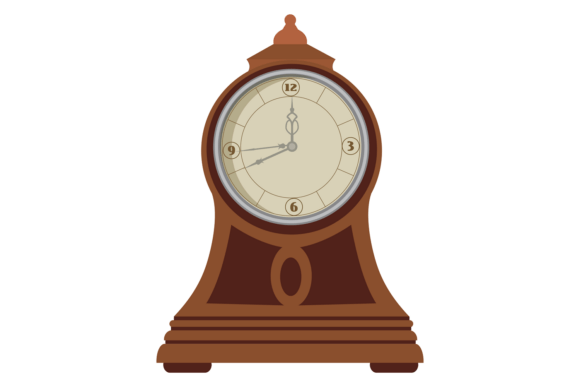
It also serves as a fantastic icon source. The prompt mentions a "Decorative interior element icon isolated on white background." This suggests using the font characters as graphic elements themselves. You can scale up a specific letter or number to use as a watermark or background texture, adding depth to your web design or print layouts.
Mastering Font Pairings and Readability
One of the biggest challenges with a strong display font is finding the right partner for it. Vintage Wooden Clock. Decorative Interio has a lot of personality, so it demands a quieter companion.
For body text, you should almost always pair this with a clean, neutral sans serif font or a simple serif font. Fonts like Open Sans, Lato, or a clean slab serif work beautifully. The contrast creates a clear visual hierarchy. The decorative font handles the "shout," while the body font handles the "conversation." If you try to pair it with another script font or handwritten font, the result will likely look cluttered and confusing.
Readability is another critical factor. Because this is a creative font with decorative details, you must test it at the size you intend to use it. At very small sizes, the texture might blur or become muddy. It is best used for headlines, sub-headers, and short call-to-action phrases. Always check the kerning (space between letters) as well. Sometimes, decorative fonts need manual adjustment to ensure the letters don't crash into each other.
Licensing and Implementation
Before you finalize your design, you need to check the licensing. If you are downloading the Vintage Wooden Clock. Decorative Interio package, verify if it is a commercial font or if it is restricted to personal use. Most professional design work requires a commercial license.
Check what file formats are included. You mentioned needing EPS, JPG, SVG, and transparent PNG. While fonts are usually .OTF or .TTF, having vector versions (like the ones mentioned) is incredibly useful for logo design and large-format printing. A transparent PNG is great for quick mockups in social media templates.
When applying the font to your brand identity, create a style guide. Define exactly how this font should be used. For example: "Use Vintage Wooden Clock only for H1 headers and product logos. Do not use in paragraphs smaller than 24px." This ensures consistency across all your marketing materials, from business cards to website banners.
The Strategic Value of Texture
In modern marketing, authenticity sells. We are bombarded with polished, digital perfection. Introducing an element like Vintage Wooden Clock. Decorative Interio breaks that pattern. It signals that a brand values quality and time-honored methods.
For entrepreneurs and small business owners, this is a strategic asset. It helps differentiate your brand from competitors using standard system fonts. It suggests that you care about the details. When a customer sees a well-chosen decorative interior font on a menu or a website, it subconsciously raises the perceived value of the product.
Ultimately, this font is a tool for storytelling. Whether you are designing a poster for a local market or building a full e-commerce site, it helps you weave a narrative of craftsmanship. Use it wisely, pair it with clean typography, and let its unique character do the heavy lifting for your visual communication.