Transforming Textiles with Decorative Patterns for Fabric
There is a distinct shift happening in modern design. We are moving away from the purely minimalist, sterile aesthetic that dominated the last decade and embracing warmth, texture, and personality. For anyone involved in textile design, interior styling, or brand identity, the focus has shifted to surface design that tells a story. This is where Decorative Patterns for Fabric comes into play. It isn’t just about filling space; it is about creating an atmosphere. Whether you are a crafter looking to print your own yardage or a graphic designer building a mood board for a client, understanding how to utilize these patterns effectively is a critical skill in today's creative landscape.
The Visual Language of Surface Design
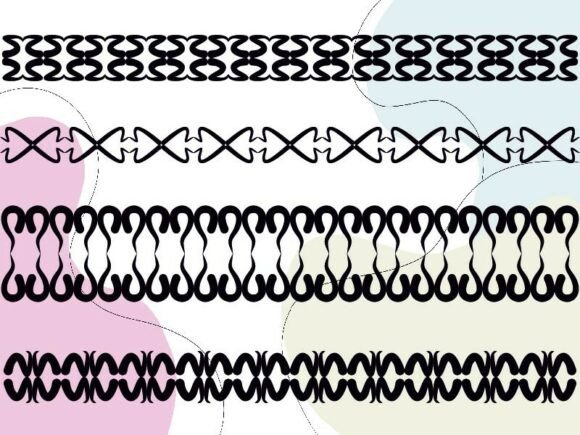
When we talk about Decorative Patterns for Fabric, we aren't just discussing random shapes. We are talking about a specific visual language that dictates how a material feels to the touch—visually, at least. Think about the difference between a sharp, geometric Art Deco motif and a soft, organic floral toile. Both are decorative, but they speak to entirely different personalities and eras. A high-quality premium font or design asset collection in this category usually offers a variety of these "personalities." You might find intricate paisleys that suggest luxury and tradition, or bold, mid-century modern abstractions that scream retro-cool.
The visual characteristics often rely on rhythm and repetition. Unlike a one-off logo design, a fabric pattern needs to "repeat" seamlessly. This means the edges of the design must match up perfectly when tiled. For designers, this creates a unique challenge: the pattern must be interesting enough to look at but structured enough that the repetition doesn't become visually nauseating. The appeal lies in the balance. A successful pattern guides the eye across the surface without getting stuck on a single point, creating a sense of movement and flow that is essential for everything from upholstery to packaging design.
Strategic Applications: Beyond the Bolts of Cloth
While the name suggests textiles, the application of Decorative Patterns for Fabric extends far wider. If you are a small business owner or a content creator, these motifs are some of the most versatile design assets you can have in your library. They are not limited to print design; they are increasingly vital in the digital sphere.
Consider web design. A subtle, low-opacity texture derived from a linen weave or a damask pattern can replace a flat, solid color background to add depth and sophistication to a landing page. It prevents a website from looking "flat" and adds a tactile quality that engages users. For social media graphics, using a bold, decorative pattern as a background for a quote card or a sale announcement can stop the scroll. It provides immediate visual interest that plain text or standard stock photography often fails to deliver.
In brand identity, these patterns are gold. A coffee shop might use a coffee bean motif on their napkins and wallpaper to unify the customer experience. A fashion brand might use a specific geometric pattern on their tissue paper, shopping bags, and tags. This is where the concept of a creative font meets visual design; just as a typeface sets the tone for your words, a decorative pattern sets the tone for your physical presence. It creates a cohesive world that your audience can step into, whether they are looking at a business card or walking into a retail store.
The Psychology of Pattern and Brand Perception
Why does this matter? Because humans are wired to recognize patterns. Using consistent Decorative Patterns for Fabric influences how your brand is perceived on a subconscious level. In editorial design, for example, the choice of pattern can dictate the "voice" of the publication. A dense, floral pattern might suggest romance, nostalgia, and femininity, while a sharp, vector-based geometric pattern might suggest technology, precision, and modernity.
Consistency is key to professionalism. When you use a specific set of patterns across your marketing materials, you build recognition. Think of a serif font paired with a classic herringbone pattern; it immediately signals reliability and tradition. Conversely, pairing a clean sans serif font with a minimalist abstract print signals innovation and forward-thinking. The pattern acts as a secondary layer of communication. It supports your typography. If your headline is the "shout," your background pattern is the "tone of voice." If they clash, the message gets muddled. If they harmonize, you achieve a professional polish that elevates the entire project.
Selecting the Right Pattern for Your Project
Choosing the right design isn't about picking the prettiest picture; it's about fit. Just as you wouldn't use a handwritten font for a legal contract, you wouldn't use a chaotic, neon-colored pattern for a luxury spa brochure. Here is a practical approach to evaluating your options:
- Evaluate Scale and Density: Look at the "scale" of the pattern. A massive, oversized floral might look stunning on a duvet cover but will become a muddy mess when printed on a business card. Conversely, a tiny, intricate pattern might get lost on a billboard. Always test the pattern at the actual size it will be displayed.
- Check the "Tile": A common mistake in web design and printing is using a pattern that doesn't tile seamlessly. You will see obvious lines or "ghosts" where the image repeats. High-quality assets should be seamless.
- Color Versatility: Look for patterns that allow for easy color changes. A good vector pattern allows you to change the background and foreground colors to match your specific brand identity palette without losing the integrity of the design.
- Readability and Hierarchy: If you are placing text over the pattern, you must test for readability. Busy patterns can make text illegible. You may need to apply a semi-transparent overlay or a blur effect to the pattern to ensure your font pairing remains the hero of the page.
Practical Implementation and Licensing
Finally, we need to talk about the logistics. If you are downloading these assets, you need to understand what you are getting. Are they raster files (like JPGs or PNGs) or vector files (like EPS or AI)? For packaging design and large-scale printing, vectors are superior because they can be scaled infinitely without losing quality. For web design and social media graphics, high-resolution rasters are usually fine.
Licensing is the other critical factor. Just like a commercial font, decorative patterns usually come with a license. If you are a designer creating a logo for a client, you need to ensure the license allows for commercial use and modification. Can the client sell products featuring this pattern? Can they trademark it? Always read the fine print. Using a "personal use only" pattern in a commercial product launch can lead to legal headaches down the road.
Ultimately, Decorative Patterns for Fabric are more than just filler. They are a fundamental component of modern typography and visual communication. They bridge the gap between digital and physical, adding texture and emotion to the often cold world of screens and paper. By treating these patterns as seriously as you treat your font choices, you move from simply making "graphics" to crafting "experiences." Whether you are styling a photoshoot, designing a website, or packaging a product, the right pattern doesn't just decorate the space—it defines it.