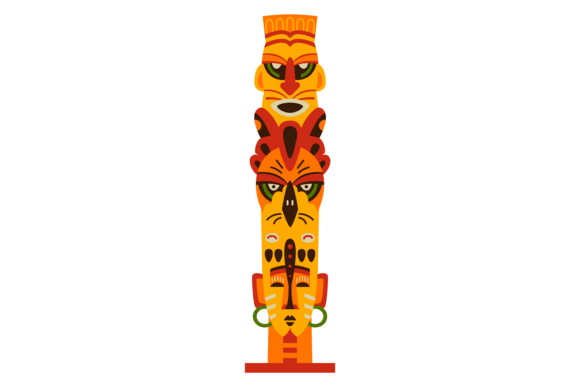
Tribal Decorative Pole: Ancient Color He
Capturing the raw, expressive energy of hand-carved artistry, the Tribal Decorative Pole: Ancient Color He typeface offers a distinct departure from the clean, geometric precision of modern typography. This is not a font for blending in. It’s a creative font built to evoke a specific mood—one of heritage, strength, and organic texture. For designers, brand strategists, and content creators looking to inject a powerful, authentic voice into their projects, this typeface serves as a foundational design asset that speaks volumes before the first word is even read.
Visual Character and Personality
The visual identity of Tribal Decorative Pole is defined by its bold, blocky serifs and a texture that mimics wood grain or stone etching. It doesn't just sit on the page; it commands space. The "Ancient Color" aspect refers to its stylistic nod to primitive pigments and weathered surfaces, making it feel less like a digital product and more like a historical artifact. It strikes a unique balance between being a decorative font and a functional display font. The letterforms are sturdy, ensuring they hold up at large sizes, while the intricate details within the strokes provide depth that flat, sans serif fonts often lack.
This typeface has a rugged personality. It’s ideal for projects that need to convey durability, tradition, or a connection to nature. Think of it as the typographic equivalent of a hand-carved totem—unyielding and full of character. When using this font, you are signaling to your audience that your brand or publication values substance and history over fleeting trends.
Strategic Applications: Where This Font Shines
Understanding where to deploy a font like Tribal Decorative Pole: Ancient Color He is key to maximizing its impact. Its heavy, textured nature makes it a premium font choice for specific applications where visual hierarchy is paramount.
Branding and Logo Design
In logo design, legibility at small sizes is crucial, but distinctiveness is even more so. This typeface works exceptionally well for brands in the outdoor, artisanal, or heritage sectors. A craft brewery, a rugged outdoor apparel line, or a bespoke woodworking shop could use this as their primary logotype. It immediately establishes a brand identity rooted in craftsmanship. However, because of its strong texture, it should be used sparingly—usually just for the primary wordmark or tagline—to avoid overwhelming the viewer.
Editorial and Packaging Design
For editorial design, particularly magazine covers or book jackets dealing with history, anthropology, or adventure, this font provides an immediate atmospheric hook. It sets the stage for the content inside. In packaging design, it can differentiate a product on a crowded shelf. Imagine a coffee blend or a hot sauce brand using this typeface; it communicates a rich, intense flavor profile through visual cues alone. The texture suggests something handmade or small-batch, which appeals to consumers seeking authenticity.
Digital and Social Media
In the realm of web design and social media graphics, attention spans are short. A bold display font like Tribal Decorative Pole is perfect for hero sections, headers, and Instagram quote cards. It stops the scroll. Because it is so visually dense, it pairs beautifully with clean, minimalist layouts. Using it for a single headline against a white or dark background creates a striking focal point that enhances readability of the surrounding body copy by contrast.
Typography Mechanics: Pairing and Hierarchy
One of the most common mistakes creatives make with ornate or textured fonts is pairing them incorrectly. A rule of thumb in modern typography is contrast over conflict.
Because Tribal Decorative Pole: Ancient Color He is a serif font with high visual noise, it should almost always be paired with a simple sans serif or a clean sans-serif font for body text. If you pair it with a script font or another heavy serif, the design will look cluttered and illegible.
- For Body Copy: Use a neutral sans serif like Helvetica, Roboto, or Open Sans. These fonts disappear into the background, allowing the headers to pop without creating visual fatigue.
- For Hierarchy: Use the Ancient Color variant strictly for H1 or H2 tags. Its weight and texture naturally draw the eye first. Follow with a medium-weight sans serif for sub-headers and a regular weight for paragraphs.
- Spacing Matters: Fonts with this much detail often benefit from increased tracking (letter-spacing). Giving the letters a little room to breathe prevents the textures from merging into a dark blob, especially at smaller display sizes.
Practical Guide to Implementation
Integrating a new typeface into your workflow requires more than just installation. Here is how to evaluate and use this font effectively in your projects.
Evaluating Project Fit
Before committing, ask yourself: Does the subject matter match the font's personality? If you are designing for a tech startup or a medical provider, this font is likely the wrong choice. However, if you are working on a music festival poster, a vintage movie title, or a rustic wedding invitation, it is a perfect fit. Always test the font with your actual copy. Some words look better than others depending on the letter combinations.
Technical Considerations
Check the font file formats included. Ideally, you want EPS, JPG, SVG, and transparent PNG versions if you are using the decorative elements as graphic assets rather than typed text. If you are using it as a standard typeface, ensure you have the correct licensing for commercial use. If the font comes with an "Ancient Color" vector style, you may need to apply specific fills or textures in Adobe Illustrator or Photoshop to achieve the intended look.
Testing Readability
Never use this font for long paragraphs of text. It is a display typeface, meaning it is designed for large sizes and short bursts of text. At small sizes, the texture will become muddy, and the "ancient" details will turn into visual noise, hurting readability. Always print a test page or view it on multiple mobile devices to ensure the texture renders crisply.
Conclusion: Elevating Your Design Assets
Choosing the right typography is about storytelling. Tribal Decorative Pole: Ancient Color He is a powerful tool for telling stories of strength, history, and authenticity. By using it strategically as a display font and pairing it with clean, modern typography, you can create designs that feel both timeless and fresh. Whether you are building a brand identity from scratch or refreshing a packaging design, this typeface offers a unique visual voice that helps you stand out in a sea of generic sans serifs.